Steel Hub

European hot-rolled coil (HRC) mills are seeking higher prices despite weak demand and high inventories, according to World Steel Dynamics. The timing of the reported developments is not specified. No policy, regulatory or trade-rule change is identified in the information provided; the development is instead a pricing signal for buyers and other participants weighing procurement decisions against uncertain market acceptance.
North and South European Offers
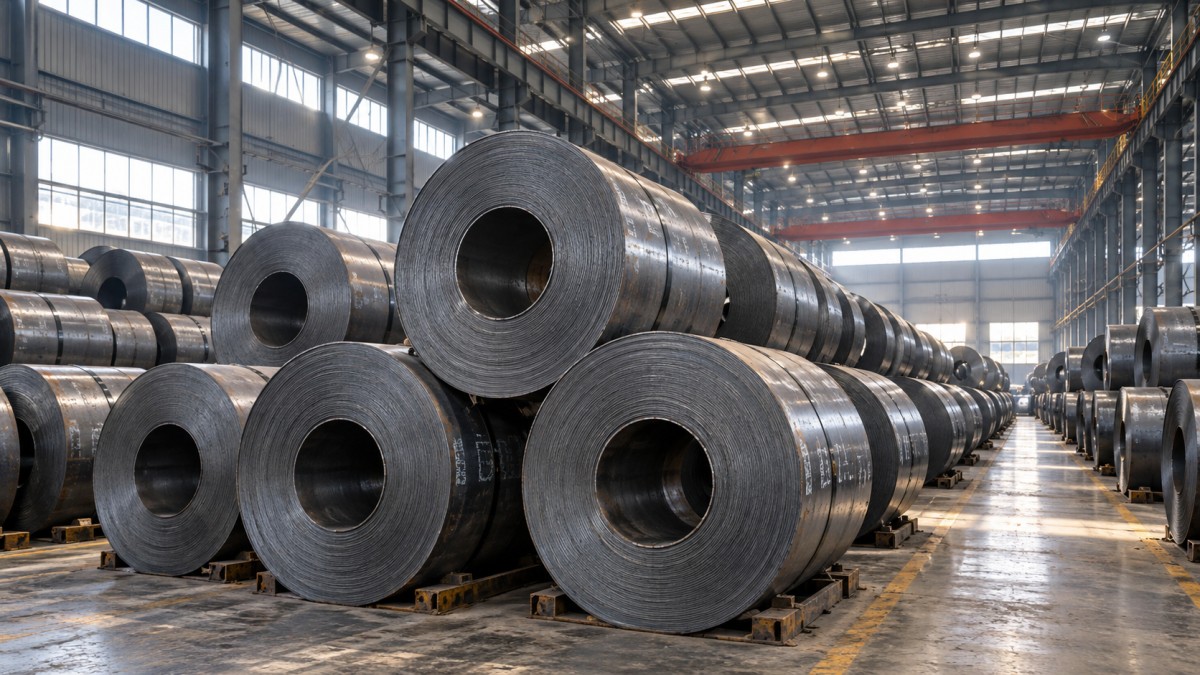
World Steel Dynamics reports that European HRC mills are becoming increasingly confident about raising prices despite weak demand and high inventory pressure. Offers in northern Europe remain at €740–760 per tonne on an ex-works (EXW) basis. In southern Europe, offers have risen by €10 per tonne to €730–750 per tonne EXW. The higher target prices set by mills have not yet been widely accepted by the market.
Where Higher Offers May Affect Transactions
Purchasers and Manufacturers
Analysis suggests that buyers of HRC may face greater uncertainty when comparing supplier offers or planning purchases if mills continue to seek higher prices. Weak demand and high inventories may also influence purchasing decisions. Buyers can assess the quoted price alongside their own inventory and near-term requirements; the reported offers do not establish that higher target prices will be accepted.
Traders and Distribution Channels
For traders and distributors, the difference between mill targets and market acceptance may complicate price negotiations and inventory decisions. The reported regional offer ranges provide reference points, but analysis suggests that participants should distinguish an offer from a price agreed in a transaction.
Details to Check Before Committing
Compare Offers on the Same Basis
Purchasers may wish to confirm the applicable EXW terms and compare the full costs relevant to their own transactions, rather than treating the quoted ranges as final delivered prices. The input does not specify delivery charges or individual contract terms.
Review Inventory and Purchase Timing
Given the reported pressure from high inventories and weak demand, companies can assess their stock positions and purchasing schedules before responding to higher targets. This is a planning consideration, not a requirement or a prediction of the next price move.
Monitor Negotiated Prices and Market Feedback
What deserves closer attention is whether higher mill targets gain broader acceptance and whether the reported northern and southern European offer ranges change. Companies may also check supplier-specific delivery terms when evaluating offers, since the information provided does not establish delivery conditions.
A Pricing Signal, Not a New Rule
From an editorial perspective, this is best understood as an indication of mills' pricing intentions and an ongoing negotiation between supply and demand, not as an implemented policy or regulatory change. The distinction between quoted offers, target prices and accepted transaction prices remains important when assessing the market.
Keeping the Price Move in Perspective
European mills' confidence in seeking higher HRC prices contrasts with the reported weakness in demand and pressure from inventories. For now, a measured response is to assess offers against actual procurement needs and watch for evidence of wider market acceptance, without assuming that the targets have become prevailing transaction prices.
Basis for This Report
This article is based on the supplied title, event-time information and event summary, which attributes the market report to World Steel Dynamics. The event time was not specified, and no specific official source link was provided in the input. The reported price ranges and subsequent market feedback should continue to be verified against relevant industry reporting and transaction information.
Please give us a message
Tianjin Kaichuang Metal Material Co., Ltd
Add: No. 41, District 6, First Street, Huanghuadian Town, Wuqing District, Tianjin
Tel: + 86 137 9101 9833
E-mail: boss@kaichsteel.com