Steel Hub

Beijing, Dec 12 (Reuters) — As the world’s largest steel producer, China plans to introduce a licensing system starting in 2026 to regulate steel exports, after strong steel shipments triggered a growing protectionist backlash worldwide.
The Ministry of Commerce said on Friday that exporters of about 300 steel products will be required to apply for a licence based on export contracts and product quality inspection certificates provided by manufacturers.
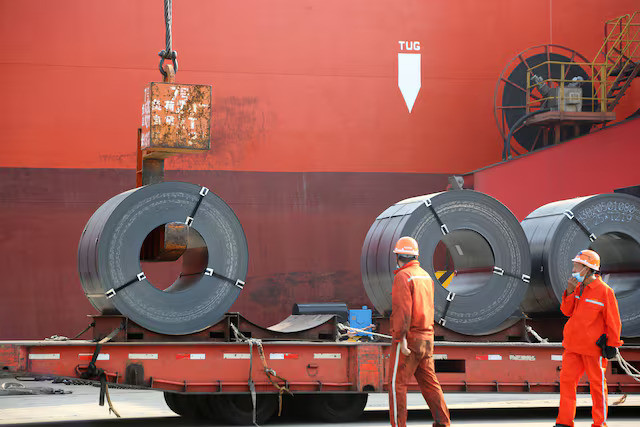
Starting from January 1, 2026, China will implement an export license system for around 300 types of steel products. All exporters must provide an export contract and quality inspection certificates to apply for an export license. This policy aims to strengthen the regulation of steel exports and address the rising global trade protectionism.
1. Background and Significance of the Steel Export License System
Amid growing global economic uncertainty, international trade in steel is facing severe challenges. With fluctuations in global market demand and several countries imposing higher tariffs and quotas on steel imports, competition in the global steel market has become more intense. To ensure the competitiveness and quality of China's steel in the international market, the Chinese government decided to implement the steel export license system.
This system not only helps regulate export activities but also ensures the quality of exported steel products, boosting China's steel industry's reputation and market share globally. For steel exporting enterprises, this policy presents both challenges and opportunities. The implementation of export licenses requires enterprises to meet quality standards as well as quantity requirements, thus enhancing the international competitiveness of the entire industry.
2. Implementation Details of the Steel Export License System
According to the notice issued by the Chinese government, starting from January 1, 2026, all steel products intended for export will require an export license. The specific details of the system are as follows:
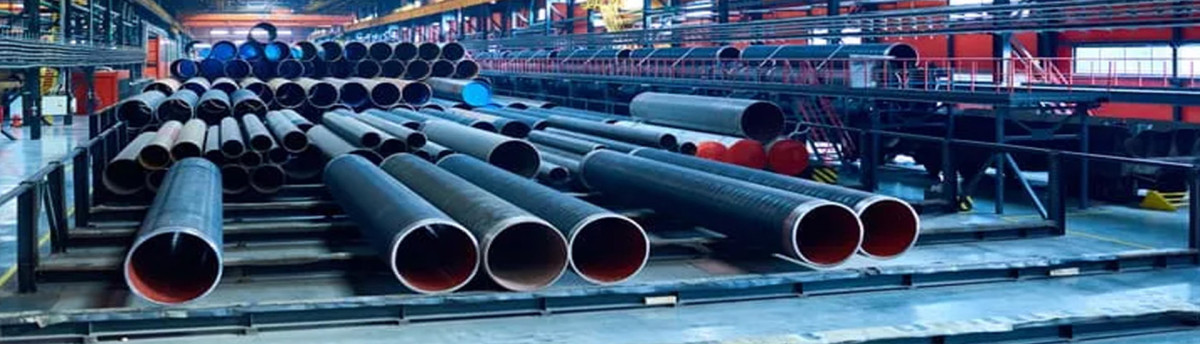
Scope of Export: The system covers around 300 steel products, including rebar, wire rods, steel plates, steel pipes, and other basic steel materials.
Application Process: Exporters must submit the relevant export contracts and quality inspection certificates when applying for the export license. In particular, exporters need to provide certification from authorized inspection agencies, proving that the steel products meet international standards.
Certification Requirements: The quality inspection certificate should clearly specify the material, production process, and usage standards of the steel, and must be certified by relevant authorities. The authorities will review the certification to ensure compliance with global quality standards.
Regulating Authorities: The Ministry of Commerce of China and steel industry regulatory bodies will be responsible for approving export licenses and supervising export activities.
Compliance and Supervision: For exports that do not meet the requirements, the relevant authorities will impose penalties to ensure compliance.
By implementing this system, the government can better control the quality of steel exports, reduce the impact of counterfeit or substandard products, and enhance China's steel products' image and market position worldwide.
3. Impact of Growing Global Protectionism on China's Steel Exports
In recent years, global steel trade has faced increasing barriers and protectionist measures. Some countries have imposed high tariffs or quota restrictions, attempting to protect their own steel industries from the impact of globalization. These measures have directly affected China's steel exports, especially in the U.S. and European markets, where steel enterprises are under growing competitive pressure.
With the changing international trade situation, the export of steel from China is no longer just a "price competition" game. Product quality, environmental standards, and production processes are gradually becoming the decisive factors. To address these changes, the Chinese government introduced the steel export license system, aiming to improve the quality management of steel exports and enhance the international recognition of Chinese steel products.
4. Impact of the Export License System on China's Steel Enterprises
1. Improving Product Quality and Competitiveness
The steel export license system requires exporters to provide quality inspection certificates, which means enterprises must ensure that their steel products meet international standards to be exported. This will drive companies to improve their product quality management systems, ensuring that their steel products meet international market requirements. It will force steel enterprises to pay more attention to technological innovation, process optimization, and environmental standards, thereby increasing the added value of their products.
2. Promoting the Standardization of the Steel Industry
With the implementation of the export license system, the production and export activities of steel enterprises will become more transparent and standardized. Enterprises must submit export contracts and quality inspection certificates, ensuring that steel exports are not affected by counterfeit or substandard products. In the long run, this system will promote the healthy and sustainable development of the steel industry.
3. Strengthening the Stability of Export Markets
In the face of global economic instability and complex international trade situations, the export license system will help stabilize China's steel export markets. As enterprises must meet international quality requirements when applying for export licenses, Chinese steel products will be better recognized in global markets, reducing market risks caused by quality issues.
4. Increasing Compliance Costs and Management Pressure
However, for some small and medium-sized steel enterprises, the export license system may increase their compliance costs and management pressure. In particular, in terms of quality inspection and certification, enterprises will need to invest more resources to ensure that their products meet international standards. Despite this, as the market increasingly values quality, companies that actively adapt to this change will ultimately be able to stand out in the intense international competition.
5. How to Respond to the Challenges Brought by the Steel Export License System?
The implementation of the steel export license system brings both opportunities and challenges for China's steel enterprises. How can enterprises respond to this challenge and seize the opportunities?
1. Strengthening Technological Innovation and Process Improvement
Steel enterprises should increase investment in research and development, improve production processes, and ensure that steel products meet international quality standards. By innovating technology and improving processes, they can enhance the added value of their products and increase their international competitiveness.
2. Establishing a Sound Quality Management System
Enterprises should establish a comprehensive quality management system, strictly controlling every stage from raw material procurement and production processing to product inspection to ensure that each batch of exported products meets the export license requirements. Additionally, companies should strengthen cooperation with third-party certification bodies to ensure their product quality is certified and recognized.
3. Enhancing International Business Capabilities
Steel enterprises should enhance their international business capabilities by understanding international market demands and grasping global steel industry trends. They should adjust their product structure and market layout to further expand their international market presence.
4. Strengthening Compliance with Policies and Regulations
Enterprises should actively learn and comply with domestic and international steel export policies and regulations, adjust their business strategies in a timely manner, and avoid unnecessary losses due to policy changes.
6. Conclusion: The Export License System is an Opportunity for the Steel Industry's Transformation
The steel export license system introduced by China aims to improve the international competitiveness and market recognition of steel products, helping steel enterprises adapt to the challenges posed by global trade protectionism. Although this policy may increase compliance costs, in the long run, it will push steel enterprises to improve product quality and promote the standardized development of the industry.
The implementation of the export license system will provide strong protection for China's steel position in the global market and open up new opportunities for the international development of the steel industry. Steel enterprises should seize this policy's transformation opportunity, enhance their competitiveness, and lay a solid foundation for the future development of China's steel industry.
Please give us a message
Tianjin Kaichuang Metal Material Co., Ltd
Add: No. 41, District 6, First Street, Huanghuadian Town, Wuqing District, Tianjin
Tel: + 86 137 9101 9833
E-mail: boss@kaichsteel.com